
Okinawa is Japan's hidden tropical paradise, a chain of 160 islands stretching toward Taiwan. Unlike mainland Japan, Okinawa offers year-round warm weather, crystal-clear turquoise waters, and a unique Ryukyuan culture that blends Japanese, Chinese, and Southeast Asian influences.
The Main Island: Gateway to Paradise
The main island of Okinawa serves as the perfect introduction to this subtropical archipelago. Naha, the capital, blends modern convenience with historical charm. Start your journey on Kokusai Street, a mile-long stretch of shops, restaurants, and entertainment that comes alive at night.
Don't miss Shuri Castle, a UNESCO World Heritage Site that served as the palace of the Ryukyu Kingdom for centuries. Though partially damaged by fire in 2019, restoration efforts continue, and the site remains a powerful symbol of Okinawan identity and resilience.
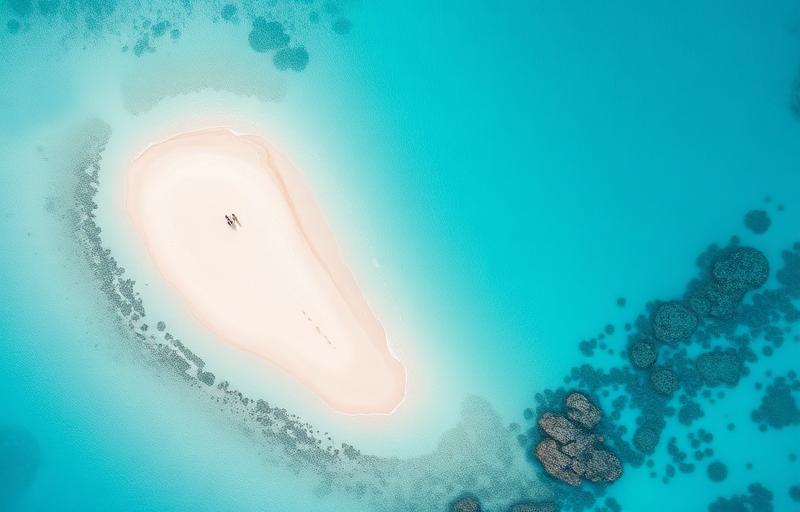
Best Beaches for Every Traveler
Okinawa's beaches are legendary, each offering something unique:
- Emerald Beach: Located in Ocean Expo Park, this man-made beach features perfectly calm, shallow waters ideal for families. The views of Ie Island are spectacular.
- Sesoko Beach: A natural beach on Sesoko Island, connected to the main island by bridge. The white sand and clear waters rival any tropical destination.
- Manza Beach: Famous for its dramatic cape and crystal-clear waters, perfect for snorkeling and diving.
- Naminoue Beach: Naha's only beach, located near a scenic shrine. Perfect for travelers short on time who want a quick ocean fix.
The Kerama Islands: Snorkeling Paradise
Just 30 minutes by ferry from Naha, the Kerama Islands offer some of the world's best snorkeling. The waters here are home to sea turtles, manta rays, and over 360 species of coral. Tokashiki and Zamami islands are the most accessible, with regular ferry services and excellent facilities.
The visibility in these waters often exceeds 50 meters, and the experience of swimming alongside sea turtles in their natural habitat is nothing short of magical. Many visitors describe it as a life-changing experience.
"Okinawa changed my perspective on Japan entirely. It's like discovering a secret world within a world—tropical, warm, and incredibly welcoming."
— Travel & Leisure Magazine
Okinawan Cuisine: A Unique Flavor
Okinawan food is distinct from mainland Japanese cuisine, influenced by its history as the Ryukyu Kingdom. Must-try dishes include:
- Goya Champuru: A stir-fry featuring bitter melon, tofu, pork, and egg. It's believed to contribute to the famous Okinawan longevity.
- Soki Soba: Okinawan noodles topped with slow-braised pork spare ribs. Comfort food at its finest.
- Umi Budo: "Sea grapes" or green caviar, a unique seaweed that pops in your mouth.
- Rafute: Braised pork belly in awamori (local rice spirit) and brown sugar. Meltingly tender.
When to Visit
The best time to visit Okinawa is from late March to early May (spring) or October to November (fall). Summer brings hot weather and occasional typhoons, but also the liveliest beach scene. Winter is mild and pleasant, perfect for exploring cultural sites without the crowds.
The cherry blossoms in Okinawa bloom earlier than anywhere else in Japan—typically late January to early February—offering a unique opportunity to experience hanami in a subtropical setting.
Getting There & Getting Around
Naha Airport is well-connected to major Japanese cities, with flights from Tokyo taking about 2.5 hours. Once there, renting a car is highly recommended for exploring the main island. The islands themselves are connected by ferries and the Yui Rail monorail system serves central Naha.
Ready to Plan Your Okinawa Adventure?
Download our free Okinawa travel itinerary with day-by-day recommendations, hotel picks, and insider tips.
Download Free Guide